Source Suspension Shock Absorber With Mount For Touareg 7l
Find 30 verified listings for the suspension shock absorber with mount for touareg 7l. Buyers can compare specifications, prices, and supplier details for Volkswagen models including Q7 and Cayenne; compare the available evidence and request quotations based on your requirements.
Key considerations
Products List


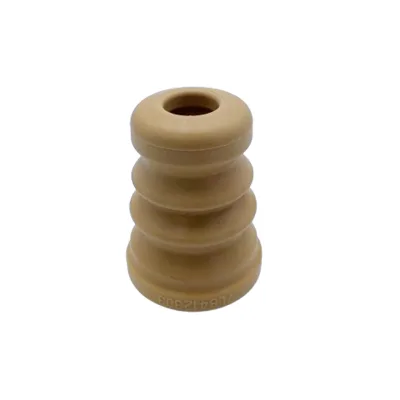
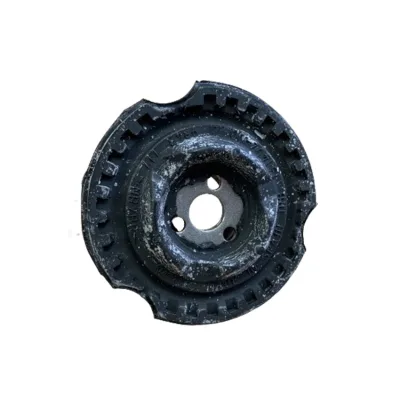


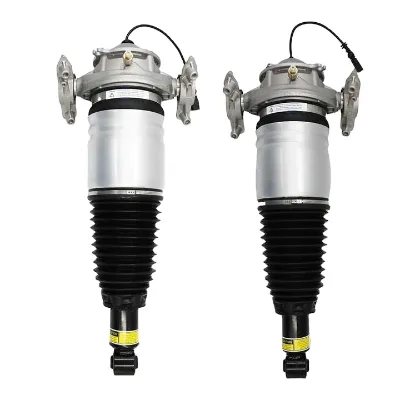
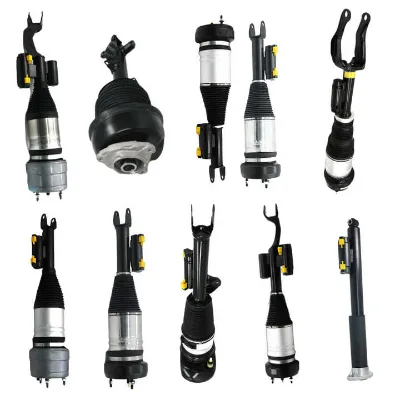
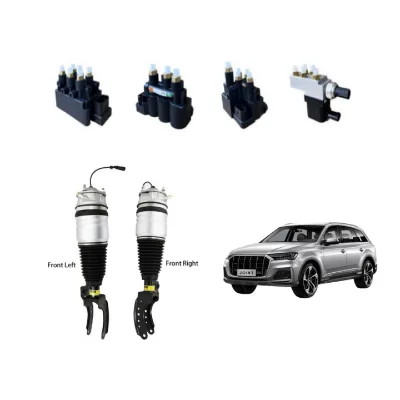
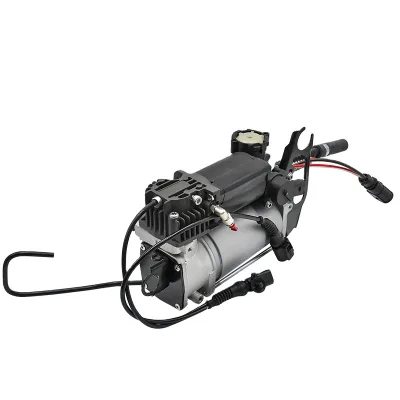


Comprehensive Sourcing Guide
Suspension Shock Absorber with Mount for Touareg 7L Sourcing Guide
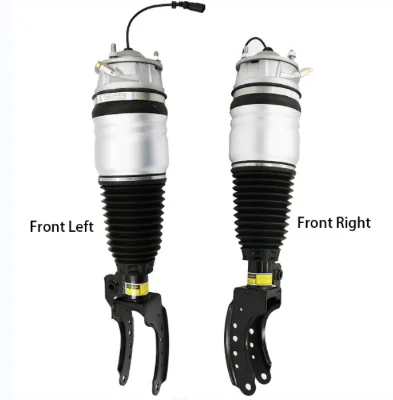
Procuring suspension shock absorbers with mounts for the Volkswagen Touareg 7L requires a precise understanding of the distinct engineering requirements for front and rear axle systems. The front suspension typically utilizes gas-filled coil spring assemblies designed for bidirectional damping, ensuring consistent performance during both compression and rebound phases. Buyers must verify that the selected components match the specific vehicle generation, as the 7L platform spans model years from 2002 to 2010, with variations in mounting geometry and damping characteristics.
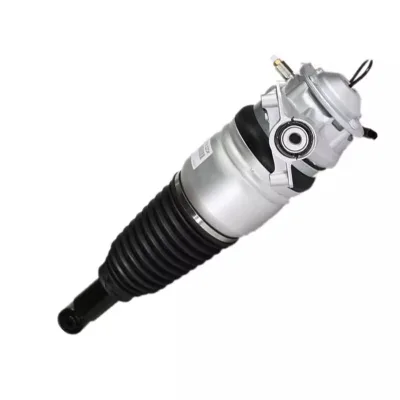
The rear suspension often employs air spring or rubber-based suspension springs, which operate on single-effect damping principles and require different structural considerations compared to the front units. These rear assemblies are frequently sold as single cylinders and may include specific OE references such as 7L5616503f or 7L6 616 019d. Sourcing guides must emphasize the importance of cross-referencing these part numbers to avoid compatibility issues, particularly when dealing with mixed fleets or replacement parts for older models where wear patterns differ significantly between axles.
Product Scope and Observed Listing Signals
Market listings for these components reveal a wide price range, typically spanning from approximately $3.38 to $838 USD, reflecting the disparity between basic shock absorbers and complete assembly kits with mounts. The minimum order quantity (MOQ) generally ranges from one to fifty units, allowing for both sample testing and bulk procurement. Buyers should observe that customization is widely available, enabling suppliers to tailor packaging or minor specifications to meet specific regional or logistical requirements without altering the core mechanical integrity of the product.
Product conditions are consistently listed as new or brand new, with many suppliers emphasizing that items are 100% tested before shipment. This quality assurance step is critical for suspension components, as undetected defects can lead to premature failure and safety hazards. The observed product names often include detailed descriptors such as "Car Shock Absorber Assembly," indicating that the listing may include the mount, spring, and damper as a unified unit, which simplifies installation but requires careful verification of the included components against the vehicle’s original equipment specifications.
Technical Specifications to Verify
When evaluating technical data, buyers must distinguish between coil spring and air spring configurations, as these dictate the vehicle’s ride height and handling characteristics. The front units are typically double-cylinder structures made of steel, designed to handle the higher loads and dynamic forces associated with steering and braking. In contrast, rear units may be single-cylinder structures made of rubber or air-filled materials, optimized for load leveling and comfort. Verifying the spring material and structure is essential to ensure the replacement part matches the original suspension architecture of the Touareg 7L.
Damping force direction is another critical specification, with front shocks often featuring bidirectional damping for superior control, while rear units may use single-effect damping. Buyers should also check the OE numbers, such as 7L6413031L/7L6413032L for front units or 7L6616039d(L)/7L6616040d(R) for rear units, to guarantee exact fitment. Additionally, the weight of the components, which can range from 5kg to 10kg per piece, impacts shipping costs and handling logistics, so accurate weight data should be confirmed with the supplier before finalizing the order.
Compliance and Safety Documentation
Compliance with international standards is vital for automotive parts, particularly those affecting vehicle safety and stability. Buyers should verify that suppliers hold relevant certifications, such as ISO/TS or OEM approvals, which indicate adherence to rigorous quality management systems. The HS Code for these products is typically 8708809000, which classifies them as parts and accessories for motor vehicles. Ensuring correct classification helps in navigating import regulations and avoiding unexpected duties or delays at customs.
Safety documentation should include test results or quality control reports that confirm the product’s durability and performance under stress. Although specific test data may not always be publicly listed, buyers should request evidence of 100% testing or third-party validation. The warranty period, often ranging from 12 to 13 months, provides a safety net against manufacturing defects. Buyers must ensure that the warranty terms are clearly stated in the contract and that the supplier has a reliable process for handling claims or replacements.
Cost Drivers and Commercial Terms
Several factors influence the final cost of suspension shock absorbers with mounts, including the complexity of the assembly, the materials used, and the packaging requirements. Double-cylinder steel units with gas-filled technology tend to be more expensive than single-cylinder rubber or air spring units due to higher manufacturing costs. Packaging also plays a role, with options ranging from neutral packing to carton, pallet, or box configurations, which can affect the unit price and shipping efficiency. Buyers should consider the total landed cost, including freight and insurance, when comparing quotes.
Commercial terms such as MOQ and lead times can vary significantly between suppliers. While some suppliers offer low MOQs for testing, bulk orders may require higher volumes to achieve favorable pricing. The standard packing size, often around 872020cm for certain units, impacts container loading efficiency. Buyers should negotiate clear terms regarding payment methods, delivery schedules, and liability for damaged goods. Understanding these commercial dynamics helps in budgeting accurately and avoiding hidden costs that can erode profit margins.
Supplier Qualification and Quality Control
Selecting a reliable supplier is crucial for ensuring the quality and consistency of suspension components. Buyers should prioritize suppliers with a proven track record in automotive parts manufacturing, particularly those specializing in Volkswagen or Audi components. Verification of the supplier’s production capabilities, including their quality control processes and testing facilities, is essential. Suppliers that explicitly state their products are 100% tested and offer warranties demonstrate a commitment to quality and customer satisfaction.
Quality control measures should include rigorous inspection of materials, dimensions, and performance characteristics. Buyers should request samples to verify fitment and quality before placing large orders. Additionally, checking the supplier’s origin, such as Qingdao or other manufacturing hubs in China, can provide insights into their logistical capabilities and supply chain stability. Establishing a clear communication channel with the supplier ensures that any issues or discrepancies can be addressed promptly, maintaining the integrity of the procurement process.
Long-Term Procurement Checks
Long-term success in sourcing suspension shock absorbers requires ongoing monitoring of supplier performance and product quality. Buyers should establish key performance indicators (KPIs) such as defect rates, delivery times, and responsiveness to issues. Regular audits or reviews of the supplier’s quality control processes can help identify potential problems before they impact production or sales. Maintaining a diverse supplier base can also mitigate risks associated with supply chain disruptions or quality inconsistencies.
Feedback from end-users or installation technicians is valuable for identifying any recurring issues with the components. Buyers should document any failures or complaints and share this information with the supplier to drive continuous improvement. Additionally, staying updated on changes in vehicle models or suspension technologies ensures that the sourced parts remain relevant and compatible. By fostering a collaborative relationship with suppliers, buyers can secure a steady supply of high-quality components that meet the evolving needs of their customers.
FAQs
What types of shock absorbers are available for the Touareg 7L?
Both gas-filled coil spring assemblies and air suspension springs are available for the Touareg 7L platform. The coil spring options feature double cylinder structures with bidirectional damping, while the air spring variants utilize single cylinder designs with rubber materials. These components cater to different suspension requirements for models like the Q7 and Cayenne.
Can I find customized suspension parts for Volkswagen vehicles?
Yes, customization is available for these suspension components. The products are manufactured to custom standards and can be tailored to specific vehicle requirements. This flexibility allows buyers to source parts that meet precise engineering specifications for various Volkswagen models, ensuring compatibility and performance alignment with original equipment standards.
Which OE numbers correspond to these Touareg shock absorbers?
Common OE numbers include 7L6413031L, 7L6413032L, 7L5616503f, and 7L6616039d. These identifiers help verify compatibility with specific Touareg, Q7, and Cayenne model years ranging from 2001 to 2010. Using these numbers ensures accurate sourcing of the correct front or rear suspension assemblies for your vehicle.
What is the warranty period for these suspension assemblies?
The warranty period typically ranges from 12 to 13 months depending on the specific product variant. This coverage applies to new condition parts that have undergone 100% testing. Buyers should verify the exact warranty terms associated with their selected item to ensure adequate protection against manufacturing defects.
How are these shock absorbers packaged for shipping?
Packaging options include neutral packing, cartons, pallets, and boxes. Standard configurations often involve four pieces per carton or two pieces per carton, with specific weights like 4.3kg or 5kg per piece. The packing size is approximately 87x20x20cm, ensuring secure transport and protection during international logistics.
Where are these suspension components manufactured?
These suspension components are manufactured in China, with specific origins noted in Qingdao. The products are produced under custom standards and undergo rigorous quality testing. Buyers can rely on these origins for sourcing high-quality replacement parts that meet international automotive industry requirements for durability and performance.